The Benefits of Two-Shot Injection Molding for Wisconsin Businesses
Understanding Two-Shot Injection Molding
What is Two-Shot Injection Molding?
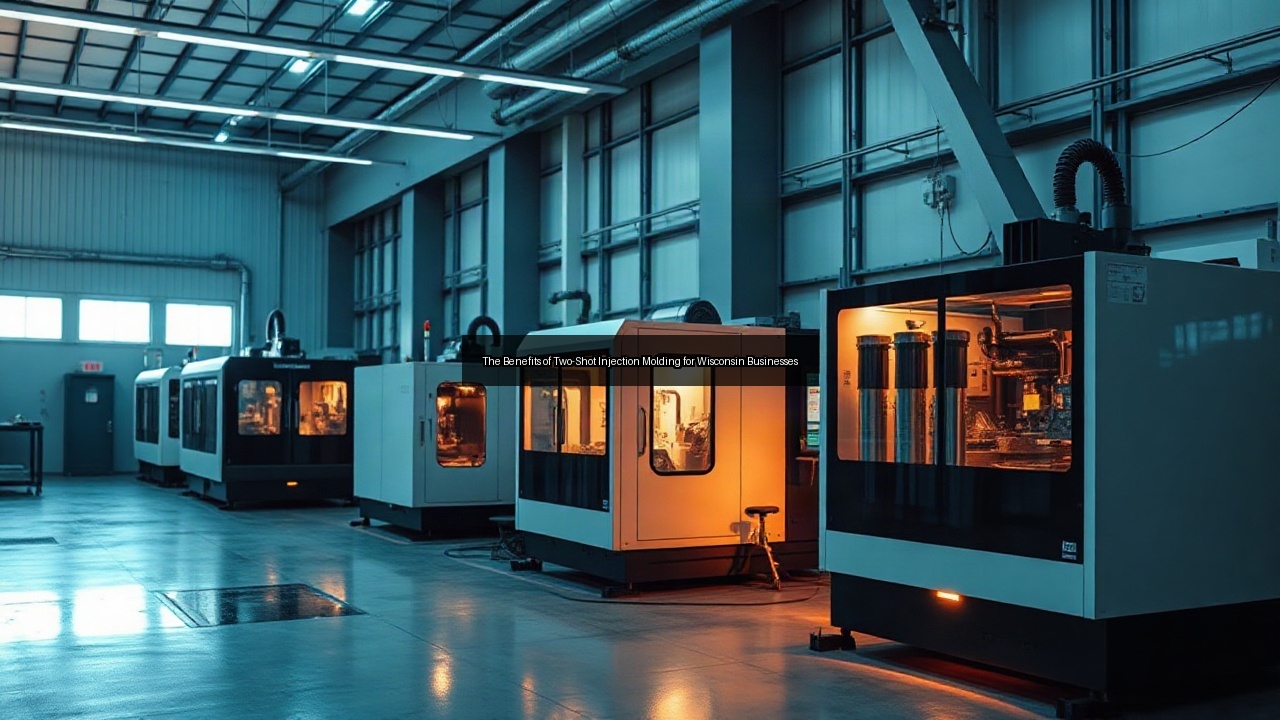
Two-shot injection molding combines two distinct materials into a single, integrated component during one continuous cycle. Manufacturers load two separate resins into a specialized press equipped with a rotating mold or core-back system. The first shot forms the base structure while the second shot bonds directly to it, creating permanent adhesion without adhesives or fasteners. This method supports combinations such as rigid thermoplastic with soft elastomer grips. Wisconsin businesses adopt two-shot injection molding to produce parts that require both strength and tactile surfaces in one operation. The process reduces assembly steps and improves part consistency compared with traditional multi-piece construction.
The Process of Two-Shot Injection Molding
The sequence begins with mold closing and injection of the first material into designated cavities. After partial cooling, the mold rotates or shifts to expose new surfaces. The second material then fills the remaining space and bonds chemically or mechanically to the substrate. Precise temperature control and injection timing ensure strong interfaces. Equipment often includes servo-driven rotary tables and independent barrel heating zones. Wisconsin injection molding manufacturers calibrate these parameters to match specific resin pairs, such as ABS paired with TPE. Proper venting and gate placement prevent defects like delamination or flash. The result is a finished part ready for immediate packaging or further processing.
Advantages Over Traditional Injection Molding
Traditional single-shot methods require secondary operations for multi-material parts, increasing labor and error rates. Two-shot injection molding eliminates those steps, shortening production timelines and lowering handling costs. Bond strength improves because materials fuse under heat and pressure inside the mold. Design flexibility expands, allowing complex geometries with integrated seals or soft-touch areas. Reduced part count also simplifies inventory and quality control. Wisconsin companies report fewer warranty claims when switching to two-shot processes because bonded interfaces resist separation better than glued or snapped assemblies. Overall throughput rises while maintaining tight tolerances demanded by medical and consumer sectors.
Economic Benefits for Wisconsin Businesses
Cost Efficiency in Production
Two-shot injection molding lowers total manufacturing expense by consolidating operations. One machine cycle replaces multiple molding and assembly stations. Labor costs drop because operators handle fewer parts and fewer machines. Tooling investment pays off faster through higher yields and reduced scrap. Wisconsin plastic injection molding suppliers often offer contract pricing that reflects these efficiencies, allowing local firms to compete on price without sacrificing quality. Energy use per part also declines since only one heating and cooling cycle occurs. These savings compound when production volumes exceed several thousand units annually.
Reducing Waste and Material Costs
Material waste falls because two-shot processes minimize runner scrap and rejected parts. Overmolding occurs in a closed system that captures nearly all injected resin. Manufacturers select compatible resins that bond reliably, cutting trial-and-error material loss. Wisconsin businesses track these reductions through lean manufacturing metrics and report lower resin purchases per finished unit. Regrind from approved materials re-enters production streams without compromising performance. The net effect supports tighter margins on commodity products while preserving premium pricing for differentiated features.
Enhancing Production Speed
Cycle times shorten when two materials process sequentially in one mold rather than across separate machines. Automation integration becomes simpler with fewer transfer points. Wisconsin injection molding services optimize press speeds and cooling channels to achieve consistent 20- to 40-second cycles for many two-shot parts. Faster output allows companies to meet seasonal demand spikes without overtime or additional shifts. Inventory turns increase because finished goods reach customers sooner after order placement. This speed advantage proves especially valuable for contract manufacturers serving multiple industries simultaneously.
Applications in Various Industries
Custom Plastic Injection Molding for Consumer Products
Consumer goods manufacturers rely on Wisconsin custom plastic injection molding to create durable, attractive housings with integrated grips and seals. Two-shot techniques produce items such as power tool handles, appliance knobs, and storage containers that combine rigid cores with soft overmolds. The process supports vibrant color combinations and textured surfaces that enhance perceived value. Local suppliers deliver consistent quality across high-volume runs, helping brands maintain shelf appeal. Reduced assembly also shortens supply chains and lowers shipping weight. Wisconsin firms gain competitive edges by offering these features at scale.
Two-Shot Molding in Medical Device Manufacturing
Medical device companies in Wisconsin use two-shot injection molding to produce ergonomic surgical instruments, diagnostic housings, and drug-delivery components. The process creates sealed interfaces that meet stringent cleanliness standards without secondary bonding. Materials can include medical-grade polycarbonate paired with silicone for flexible seals. Traceability and validation documentation accompany each production lot. Local injection molding services Wisconsin providers maintain ISO-certified cleanrooms to support these requirements. The single-cycle approach reduces contamination risk and accelerates regulatory approval timelines.
Innovations in Toothbrush Design with Two-Shot Molding
Toothbrush manufacturers apply two-shot injection molding to bond rigid handles with soft, contoured grips in a single operation. The resulting products feature precise bristle hole placement and ergonomic thumb rests. Wisconsin plastic fabrication specialists produce molds capable of handling the fine details required for oral care products. Multi-color designs differentiate brands on retail shelves while maintaining structural integrity. High-speed presses support the large volumes demanded by national retailers. This application demonstrates how two-shot technology improves both function and aesthetics in everyday items.
Choosing the Right Wisconsin Injection Molding Manufacturer
Key Factors to Consider in a Supplier
Selecting a Wisconsin injection molding manufacturer requires evaluation of equipment capabilities, material expertise, and quality systems. Presses must support rotary or core-back tooling for two-shot projects. Experience with specific resin combinations prevents costly development delays. Certifications such as ISO 9001 and IATF 16949 signal disciplined process control. Wisconsin injection molding supplier options vary in secondary services including pad printing, ultrasonic welding, and assembly. Reviewing case studies and conducting facility audits confirms readiness for production-scale runs.
Evaluating Wisconsin Injection Molding Services
Prospective partners should provide detailed capability matrices covering tonnage ranges, shot sizes, and material portfolios. Sample parts demonstrate surface finish quality and bond integrity. Wisconsin injection molded plastics producers often share process capability studies showing Cpk values above 1.33. Lead times for tooling and first-article samples indicate overall responsiveness. Contract terms that include volume flexibility and inventory management programs add operational value. Transparent quoting practices help buyers compare total landed costs accurately.
Benefits of Local Suppliers in Wisconsin
Partnering with suppliers inside the state of Wisconsin shortens logistics chains and reduces freight expenses. Face-to-face collaboration accelerates design iterations and problem resolution. Local knowledge of regional regulations and workforce availability supports smoother project launches. Wisconsin plastic injection molding services providers understand seasonal demand patterns common to Midwest industries. Proximity also facilitates just-in-time deliveries that lower warehouse requirements for customers. These advantages compound when long-term contracts align production schedules with business growth targets.
Future Trends in Plastic Injection Molding in Wisconsin
Emerging Technologies in Injection Molding
Advances in servo-electric presses and real-time cavity pressure monitoring improve repeatability for two-shot projects. Wisconsin manufacturers integrate robotics for part removal and in-mold labeling to further reduce cycle times. Digital twin simulations allow virtual optimization of mold filling before steel is cut. These technologies increase yield rates and support tighter tolerances required by electronics and automotive sectors. Continuous investment in Industry 4.0 connectivity positions Wisconsin injection molding supplier networks for sustained competitiveness.
Sustainability in Plastic Fabrication
Recycled and bio-based resins gain traction as Wisconsin companies respond to customer sustainability goals. Two-shot processes accommodate these materials when compatibility testing confirms bond performance. Closed-loop grinding systems return internal scrap to production streams. Lightweighting through optimized wall thicknesses reduces material consumption without sacrificing strength. Wisconsin plastic injection molding services now track carbon footprints per part to meet corporate reporting requirements. These practices align economic incentives with environmental responsibility.
The Role of Resins and Glass in Future Products
Glass-filled resins enhance stiffness and dimensional stability in structural components produced by two-shot injection molding. Wisconsin mold making teams design gates and vents specifically for filled materials to avoid fiber breakage. Hybrid parts that combine glass-reinforced substrates with soft overmolds appear in automotive and industrial applications. New resin grades offer improved flow and lower warpage, expanding design possibilities. Local suppliers maintain inventories of these advanced materials to shorten development cycles for Wisconsin businesses seeking next-generation solutions.
See Also
- Top Wisconsin Manufacturers Leading the Charge in Custom Plastic Injection Molding
- Why Wisconsin is a Hub for Innovative Injection Mold Technologies
- The Art and Science of Mold Making in Wisconsin's Injection Molding Sector
- Enhancing Product Design with Wisconsin's Advanced Injection Mold Solutions
- How Wisconsin's Plastic Injection Molding Industry is Shaping Sustainability