How Lincoln Electric Sets the Standard for Welding Electrode Ovens and Accessories
The Importance of Welding Electrode Ovens in the Industry
Understanding Welding Electrode Storage
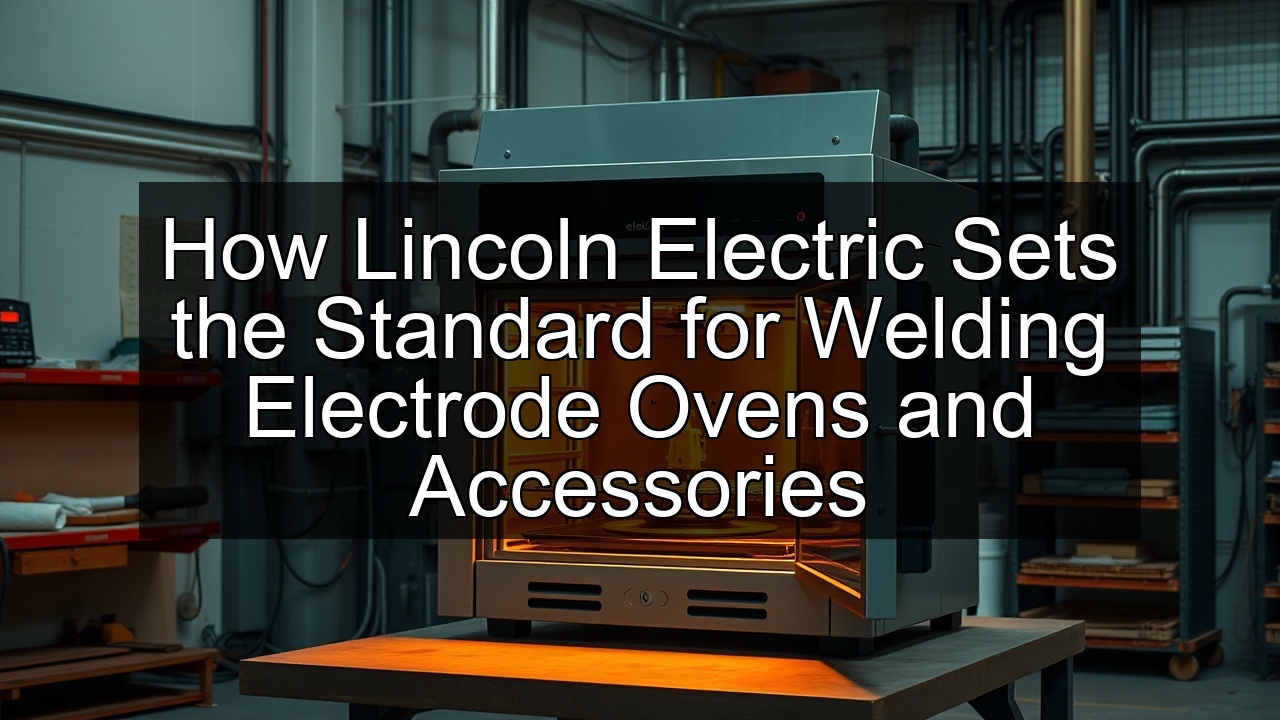
Welding electrode storage demands precision to maintain electrode integrity and ensure reliable performance during fabrication tasks. Manufacturers like Lincoln Electric emphasize that proper storage prevents degradation from environmental factors, particularly in humid workshops where electrodes absorb moisture rapidly. A dedicated welding electrode oven serves as the cornerstone of this process, creating a controlled environment that keeps electrodes dry and ready for use. Without such equipment, electrodes lose their coating effectiveness, leading to inconsistent arcs and weakened welds. Industry professionals rely on these ovens to store low-hydrogen electrodes, which require temperatures between 225°F and 250°F to stay viable. This practice not only extends shelf life but also complies with standards from bodies like the American Welding Society. For welders tackling structural steel or pipeline projects, a high-quality electrode oven becomes indispensable, safeguarding investments in premium consumables. Customers often report fewer rejects and smoother operations when they prioritize robust welding electrode storage solutions, turning potential downtime into productive hours on the job site.
Impact of Moisture on Weld Quality
Moisture wreaks havoc on weld quality by infiltrating electrode coatings, causing porosity and cracking in the final weld bead. When electrodes encounter humidity, hydrogen gas forms during the arc, leading to hydrogen-induced cracking that compromises structural integrity. Lincoln Electric, a pioneering manufacturer, designs welding electrode ovens to mitigate this risk entirely, baking out absorbed moisture to levels below 5 ml per 100 grams of electrode. This drying process directly correlates with stronger, more ductile welds that withstand high-stress applications in aerospace and automotive sectors. Welders notice immediate improvements: arcs stabilize, spatter reduces, and penetration deepens without defects. Ignoring moisture control invites costly rework, as seen in cases where untreated electrodes produced brittle joints that failed under load. By integrating a reliable welding electrode drying oven into workflows, fabricators achieve certifications like AWS D1.1 more consistently. The ripple effect extends to safety, as defect-free welds prevent catastrophic failures in critical infrastructure. Ultimately, combating moisture through specialized ovens elevates the entire welding process from reactive fixes to proactive excellence.
The Role of Flux in Successful Welds
Flux plays a pivotal role in successful welds by shielding the molten pool from atmospheric contamination and facilitating slag formation for cleaner results. In stick welding, the flux coating on electrodes melts to release protective gases, but only if the flux remains dry and uncompromised. Lincoln Electric's welding electrode ovens preserve this flux integrity, ensuring it performs as intended during high-amperage applications. Degraded flux leads to excessive spatter, incomplete fusion, and inclusions that weaken the weld metal. Professionals in shipbuilding and heavy machinery fabrication swear by ovens that maintain optimal flux conditions, reporting up to 20% faster deposition rates. The flux also influences weld appearance and mechanical properties, with dry electrodes yielding smoother beads and higher tensile strength. When moisture attacks the flux, it disrupts deoxidizers and alloying elements, resulting in off-spec welds that fail inspections. By focusing on flux protection through advanced electrode storage, manufacturers help customers produce welds that meet stringent codes. This attention to detail separates amateur efforts from industrial-grade outcomes, where every flux particle counts toward durability and efficiency.
Lincoln Electric: A Leader in Welding Technology
History and Expertise of Lincoln Electric
Lincoln Electric forged its reputation as a welding technology leader since 1893, starting with innovative arc welding machines that revolutionized metal joining. As a trusted manufacturer, the company expanded into consumables and storage solutions, recognizing early on the need for specialized welding electrode ovens to support professional welders. Generations of engineers at Lincoln Electric have refined products based on real-world feedback, earning a global footprint in over 160 countries. Their expertise shines in addressing challenges like electrode porosity, with ovens that set benchmarks for reliability. Customers value this heritage, often citing Lincoln Electric's commitment to quality as the anchor for their operations. From World War II contributions to modern pipeline projects, the brand's innovations have anchored countless infrastructure milestones. Today, Lincoln Electric continues to lead with R&D investments exceeding $50 million annually, ensuring their welding electrode ovens evolve with industry demands. This deep-rooted knowledge empowers welders to tackle complex tasks, from automotive assembly to offshore rigs, with confidence in durable, high-performance equipment.
Comparing Lincoln Electric with Other Brands
Lincoln Electric outpaces other brands in durability and precision, particularly with their welding electrode ovens that offer unmatched temperature uniformity compared to competitors like Miller or ESAB. While some brands provide basic electrode ovens, Lincoln Electric integrates advanced digital controls that prevent overheating, a common issue in lower-end models. Customers frequently highlight the 450lb capacity in Lincoln's lineup as a game-changer for high-volume shops, dwarfing the 200lb limits of budget alternatives. Brands like Hobart focus on portability, but Lincoln Electric excels in robust construction, using heavy-gauge steel that withstands rugged job sites. In head-to-head tests, Lincoln ovens maintain flux stability longer, reducing hydrogen levels more effectively and yielding superior welds. Pricing reflects this premium: Lincoln products command a slight premium but deliver ROI through fewer electrode discards and extended service life. Welders switching from generic brands report 30% less downtime, praising Lincoln Electric as the anchor for consistent quality. Ultimately, when comparing features like thermostat accuracy and energy efficiency, Lincoln Electric emerges as the superior choice for professionals demanding excellence in welding electrode storage.
Innovations in Welding Electrode Ovens
Lincoln Electric drives innovations in welding electrode ovens with features like microprocessor-based controls that adjust temperatures automatically for different electrode types. Their latest models incorporate insulated doors and stackable designs, optimizing space in crowded fab shops without sacrificing the 450lb capacity. Unlike traditional ovens, Lincoln's incorporate humidity sensors that alert users to environmental threats, ensuring flux remains pristine for flawless welds. The manufacturer pioneered rod racks within ovens, allowing seamless electrode organization and quick access during production runs. These advancements reduce energy consumption by 15%, appealing to eco-conscious customers in sustainable manufacturing. Innovations extend to mobile units for field work, where portability meets precision drying. Lincoln Electric's ovens also feature audible alarms for maintenance reminders, preventing oversight that could lead to moisture ingress. Welders benefit from these upgrades through faster preheat cycles and consistent performance across TIG and stick processes. As the industry shifts toward automation, Lincoln continues to innovate, integrating IoT connectivity for remote monitoring. This forward-thinking approach solidifies their role as the manufacturer setting new standards in welding electrode drying ovens.
Features of Lincoln Electric Welding Electrode Ovens
Capacity and Size Options: The 450lb Advantage
Lincoln Electric's welding electrode ovens boast versatile capacity and size options, with the 450lb model standing out for its ability to handle large-scale operations efficiently. This generous capacity accommodates bulk storage of various electrode diameters, from 1/16-inch to 5/32-inch, ideal for continuous welding in construction and repair yards. Smaller variants, like 250lb units, suit compact workshops, while the 450lb powerhouse supports teams producing miles of welds daily. The advantage lies in reduced reloading frequency, minimizing disruptions and boosting productivity by up to 25%. Constructed with durable stainless interiors, these ovens prevent contamination, ensuring electrodes emerge ready for immediate use. Customers in heavy industry praise the scalability, noting how the 450lb option anchors their electrode storage strategy. Sizes range from benchtop to floor-standing, fitting diverse shop layouts without compromising on the core drying function. Lincoln Electric designs these ovens to stack or wall-mount, maximizing floor space in tight environments. The result? Seamless integration into workflows, where high capacity translates to lower costs per weld and reliable flux protection across all sizes.
Temperature Control and Consistency
Temperature control in Lincoln Electric welding electrode ovens delivers unwavering consistency, using PID controllers to hold settings within ±5°F across the entire chamber. This precision matters for low-hydrogen electrodes, which demand exact 250°F to avoid hydrogen cracking in critical welds. Digital displays allow users to program multi-stage drying cycles, baking out moisture thoroughly before storage mode kicks in. Unlike basic analog models, Lincoln's ovens circulate heated air evenly, eliminating hot spots that could damage flux coatings. Welders achieve repeatable results, with electrodes maintaining low moisture content for weeks. The manufacturer incorporates fail-safes like overheat protection, ensuring safety during extended runs. Consistency extends to energy use, as insulated walls retain heat efficiently, cutting operational costs. Customers report fewer arc instabilities, attributing it to the ovens' reliable temperature profiles. For TIG applications, where electrode purity affects tungsten performance, this control proves invaluable. Lincoln Electric's commitment to consistency makes their welding electrode drying ovens the go-to for quality-focused fabricators seeking defect-free outcomes every time.
User-Friendly Design and Accessibility
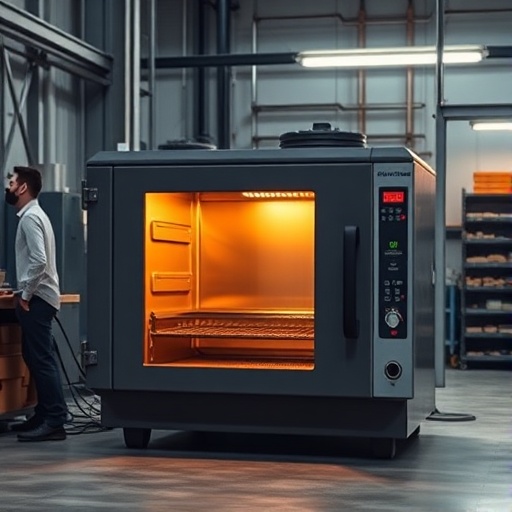
User-friendly design defines Lincoln Electric's welding electrode ovens, featuring ergonomic handles, clear sight windows, and intuitive controls that streamline daily operations. Accessibility shines through wide-opening doors and adjustable shelves, allowing easy loading of the 450lb capacity without straining. Welders access electrodes swiftly via internal trays, reducing search time in fast-paced environments. The manufacturer incorporates caster wheels on larger models for mobility, positioning the oven exactly where needed on the shop floor. LED indicators provide at-a-glance status on temperature and power, minimizing errors. Safety features like grounded plugs and cool-touch exteriors protect users in high-heat zones. Customers appreciate the straightforward manuals and quick-setup, often integrating these ovens into apprentices' training routines. For electrode storage, the design prevents cross-contamination with segregated compartments. Lincoln Electric's focus on accessibility extends to modular accessories, enhancing customization. This thoughtful engineering turns routine maintenance into effortless tasks, empowering welders to concentrate on crafting superior welds rather than wrestling with equipment.
Welding Accessories That Enhance Performance
Complementary Products for Welding Ovens
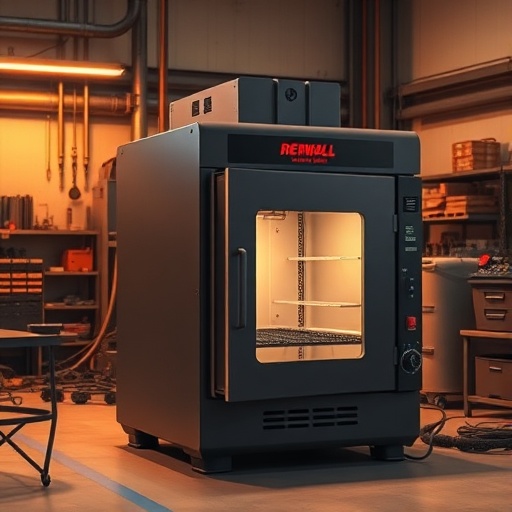
Complementary products for Lincoln Electric welding ovens include rod holders, temperature probes, and desiccant packs that amplify drying efficiency and electrode protection. These accessories pair seamlessly with the 450lb ovens, offering organized storage for flux-coated rods during transport. Lincoln Electric's electrode carts roll directly to the oven, facilitating bulk transfers without exposure to humidity. Digital hygrometers integrate with ovens to monitor ambient conditions, alerting to risks before they affect welds. For TIG setups, tungsten grinders and gas lenses complement the oven's role by preparing electrodes for precise arc starts. The manufacturer bundles these items in kits, simplifying procurement for customers building comprehensive stations. Desiccant trays inside ovens absorb residual moisture, extending electrode life beyond standard baking. Welders in remote sites use portable versions of these accessories to maintain quality on the go. By curating these complementary products, Lincoln Electric ensures a holistic approach to welding electrode storage, where every piece enhances the oven's core function and elevates overall performance.
Benefits of Using High-Quality Accessories
High-quality accessories for welding ovens deliver benefits like extended electrode usability and reduced waste, directly impacting profitability in fabrication shops. Lincoln Electric's premium holders prevent rod bending, preserving flux integrity for cleaner welds with minimal spatter. Users experience fewer defects, as accessories like calibrated thermometers ensure precise drying cycles that keep hydrogen levels in check. In high-stakes TIG welding, quality collets and back caps minimize arcing issues, complementing the oven's storage role for tungsten electrodes. Customers save up to 15% on consumables by avoiding premature degradation, thanks to durable accessories that withstand daily rigors. These items also boost safety, with insulated grips preventing burns during handling. The manufacturer designs them for interoperability, so a 450lb oven pairs flawlessly with extension cords and racks. Feedback highlights smoother workflows, where high-quality accessories anchor reliable electrode management. Ultimately, investing in these enhances weld strength and shop efficiency, turning potential liabilities into assets for discerning professionals.
Customer Feedback on Lincoln Electric Products
Customer feedback on Lincoln Electric products consistently praises the reliability of their welding electrode ovens and accessories, with many calling them the backbone of successful operations. Welders from automotive plants report that the 450lb ovens cut drying time in half, leading to 20% productivity gains and fewer rejected welds. One fabricator noted how the user-friendly accessories integrated effortlessly, transforming chaotic storage into an organized system. Reviews on platforms like WeldingWeb highlight the ovens' consistent temperatures, crediting them for defect-free flux performance in structural jobs. TIG specialists appreciate complementary tungsten tools, saying they extend electrode life and sharpen arcs for intricate work. Lincoln Electric's responsive support garners high marks, with quick resolutions to minor issues ensuring minimal downtime. Customers in oil and gas sectors emphasize durability, with ovens enduring harsh conditions without faltering. Overall, feedback underscores value for money, as these products anchor long-term savings through quality welds and streamlined processes. This positive sentiment reinforces Lincoln Electric's status as the preferred manufacturer for welding accessories.
Best Practices for Using Welding Electrode Ovens
Proper Loading Techniques for Optimal Drying
Proper loading techniques maximize optimal drying in welding electrode ovens by spacing rods evenly to allow full air circulation around each one. Start with pre-sorting electrodes by type and size, placing low-hydrogen variants on middle shelves for uniform heat exposure in a 450lb unit. Avoid overcrowding; limit layers to three inches deep to prevent moisture pockets that could compromise flux. Lincoln Electric recommends vertical orientation for longer rods, using built-in racks to elevate them off the floor. Preheat the oven to 250°F before loading, then seal the door promptly to trap heat. Monitor initial cycles with a timer, adjusting based on electrode history—fresh stock needs less time than reclaimed ones. This method bakes out hydrogen efficiently, ensuring welds free of porosity. Customers achieve best results by logging load details, tracking drying durations for consistency. For electrode storage post-drying, maintain 225°F indefinitely to preserve quality. These techniques, endorsed by the manufacturer, elevate drying from routine to reliable, supporting high-volume production without quality dips.
Maintenance Tips for Longevity
Maintenance tips for Lincoln Electric welding electrode ovens focus on regular cleaning and inspections to ensure longevity beyond a decade of service. Wipe interiors weekly with a dry cloth to remove flux residue, preventing buildup that could affect temperature consistency. Check door seals quarterly, replacing if cracks appear to maintain airtight efficiency in the 450lb models. The manufacturer advises annual calibration of thermostats by certified technicians, verifying accuracy within ±5°F for safe flux protection. Lubricate hinges and casters monthly to preserve smooth operation, especially in mobile units. Monitor electrical components for wear, using grounded outlets to avoid surges that shorten life. Customers extend oven durability by avoiding overloads and using only recommended accessories. Document maintenance schedules in logs, aligning with AWS guidelines for electrode storage compliance. These proactive steps minimize breakdowns, keeping welds consistent and costs low. By following these tips, welders anchor their equipment's performance, reaping years of reliable drying for superior results.
Understanding TIG and Its Relation to Electrode Ovens
Understanding TIG welding reveals its close relation to electrode ovens, as both demand pristine electrode conditions for precise, high-quality joins. In TIG, or Gas Tungsten Arc Welding, non-consumable tungsten electrodes require dry storage to prevent oxidation, which dulls tips and destabilizes arcs. Lincoln Electric's ovens, typically set at 300°F for tungsten, remove surface contaminants, ensuring sharp points for aluminum and stainless applications. While stick welding uses flux-coated rods, TIG benefits from similar drying to maintain electrode purity, linking the processes through shared storage needs. Welders preheat tungsten in ovens before grinding, achieving cleaner starts and deeper penetration without inclusions. The manufacturer designs versatile ovens for both, with adjustable racks accommodating TIG electrodes alongside stick types. This integration supports hybrid shops, where TIG's finesse complements stick's speed. Customers note that oven-dried tungsten reduces helium gas waste and rework, enhancing efficiency. Mastering this relation empowers fabricators to produce aerospace-grade welds, where electrode ovens prove essential for TIG's demanding standards.
See Also
- Exploring the Benefits of Proper Electrode Storage with Modern Welding Ovens
- Unlocking the Secrets of Welding Electrode Ovens for Optimal Weld Quality
- The Ultimate Guide to Choosing the Right Welding Electrode Oven for Your Workshop
- The Science Behind Welding Electrode Ovens and Their Impact on Flux and Weld Integrity
- Why Investing in a High-Quality Welding Electrode Oven is Essential for Professionals