Thermoplastics in Everyday Life How They Compare to Thermosetting Plastics
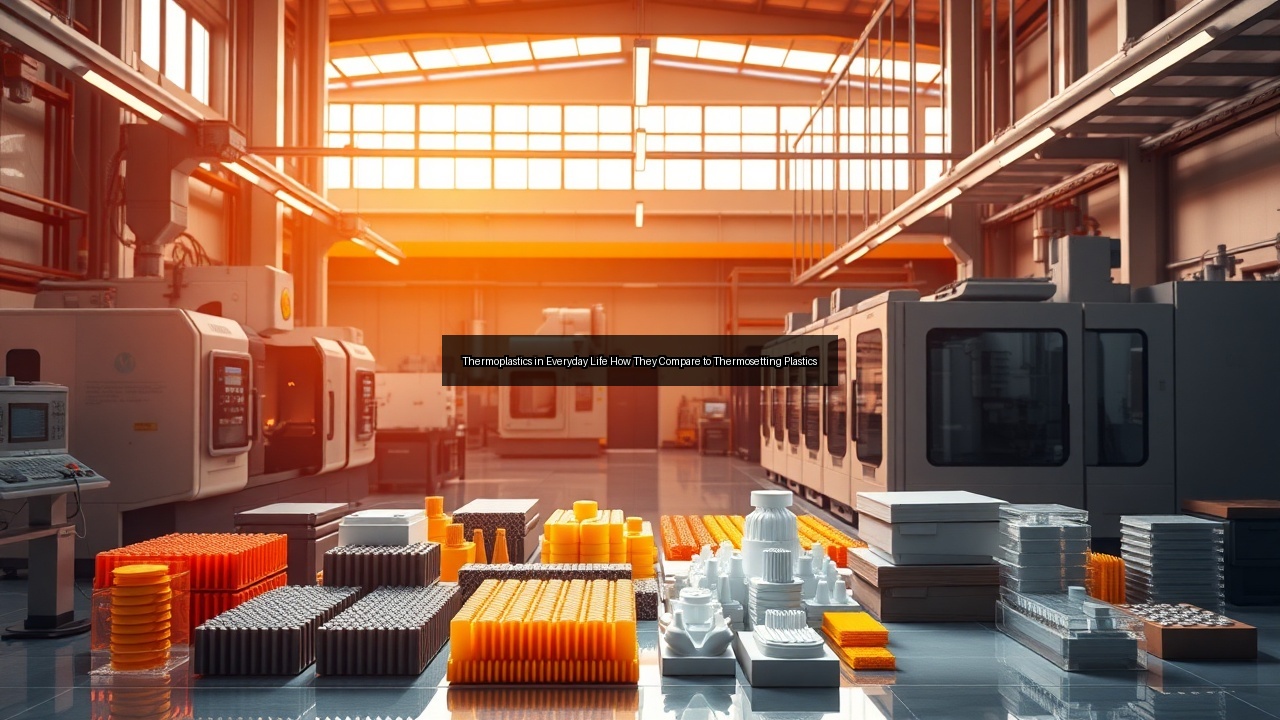
Understanding Thermoplastics and Thermosets
What are Thermoplastics?
Thermoplastics are a category of polymers that become pliable or moldable upon heating and solidify upon cooling. This unique property allows them to be reshaped multiple times without undergoing any significant chemical change. Common thermoplastic materials include polyethylene, polypropylene, and polyvinyl chloride (PVC). These materials find widespread use across various industries due to their versatility, ease of processing, and cost-effectiveness. Their ability to be recycled further enhances their appeal in sustainable manufacturing practices. Thermoplastics serve as the backbone of many everyday items, from packaging materials to automotive components, thanks to their lightweight nature and resistance to moisture, chemicals, and UV radiation.
What are Thermosetting Plastics?
In contrast to thermoplastics, thermosetting plastics, or thermosets, are polymers that irreversibly cure through a chemical reaction during the molding process. Once set, they cannot be remolded or reheated without undergoing decomposition. Common examples of thermosetting plastics include epoxy, phenolic, and melamine resins. These materials exhibit superior thermal stability and mechanical strength, making them ideal for applications that require durability and resistance to deformation under heat and stress. Industries such as aerospace, automotive, and electronics utilize thermosets for components that demand high performance and reliability, showcasing their essential role in advanced manufacturing.
Key Characteristics of Thermoplastic and Thermosetting Polymers
Thermoplastic and thermosetting polymers possess distinct characteristics that define their suitability for various applications. Thermoplastics are characterized by their ability to be repeatedly softened and reshaped, which allows for efficient production methods like injection molding and CNC machining. They typically exhibit good impact resistance and flexibility. In contrast, thermosetting plastics provide exceptional hardness, heat resistance, and dimensional stability, making them ideal for high-performance applications. However, thermosets lack the reprocessability of thermoplastics, which can limit their usability in certain areas. Understanding these key differences helps manufacturers select the right material for specific applications, balancing performance with production efficiency.
Applications of Thermoplastics in Everyday Life
Common Uses of Thermoplastics
Thermoplastics dominate many sectors due to their versatility and practicality. In consumer products, they find applications in items like plastic bottles, containers, and toys. The automotive industry utilizes thermoplastic materials for bumpers, dashboards, and interior panels, enhancing vehicle aesthetics and reducing weight. Electronics also benefit from thermoplastics in components such as connectors, housings, and insulation materials. Their ability to be colored and molded into intricate designs adds to their appeal, making them an ideal choice for branding and product differentiation. As sustainability becomes increasingly important, many manufacturers are exploring biodegradable thermoplastic resins, further expanding their applications in eco-friendly products.
Thermoplastic Materials in Manufacturing
The manufacturing industry heavily relies on thermoplastic materials due to their adaptability and ease of processing. Common manufacturing techniques include plastic injection molding and CNC milling, which enable the production of complex shapes and components efficiently. Thermoplastics lend themselves well to mass production, allowing manufacturers to maintain consistency and quality in their products. Furthermore, their compatibility with automation and robotics enhances productivity on factory floors. As industries evolve, incorporating thermoplastic materials into innovative manufacturing processes continues to drive advancements in design and functionality, ensuring they remain a staple in modern production environments.
The Role of Thermoplastics in PCB Design
Thermoplastics play a crucial role in printed circuit board (PCB) design, essential for modern electronics. They serve as insulation materials, protecting conductive pathways and components from environmental factors. Thermoplastic resins like polyimide and polyester are particularly valued for their electrical properties and thermal stability. PCB manufacturers often utilize thermoplastic materials to create flexible circuits, enabling the development of compact, lightweight electronic devices. As technology advances, the demand for high-performance PCBs continues to rise, prompting ongoing research into new thermoplastic options that enhance conductivity and durability. The integration of thermoplastics in PCB design showcases their versatility in the electronics field.
Thermosetting Plastics: Strengths and Limitations
Applications of Thermosetting Plastics
Thermosetting plastics find applications in various industries due to their inherent strength and thermal resistance. In the automotive sector, they are used in components like engine covers and electrical housings, where high heat and stress resistance are crucial. In aerospace, thermosets are favored for their lightweight yet strong characteristics, making them suitable for components in aircraft structures and interiors. Consumer products also benefit from thermosetting plastics, with items like kitchenware, adhesives, and coatings incorporating these durable materials. The ability of thermosetting polymers to withstand harsh conditions further cements their importance in critical applications across multiple sectors.
Advantages of Thermosets in Industry
Thermosetting plastics offer numerous advantages that make them indispensable in various industries. Their exceptional heat resistance allows them to maintain structural integrity in high-temperature environments, making them ideal for electrical and automotive applications. Thermosets exhibit superior dimensional stability, ensuring that components retain their shape and performance over time. These materials also feature excellent chemical resistance, making them suitable for harsh environments where exposure to solvents and corrosive substances occurs. Their inherent mechanical strength and rigidity contribute to the longevity and reliability of products, providing manufacturers with materials that can withstand rigorous use.
Challenges with Thermosetting Materials
Despite their many benefits, thermosetting plastics present challenges that can limit their applications. The irreversible curing process restricts manufacturers from reusing or recycling these materials, raising concerns about waste and environmental impact. Additionally, thermosets can be more challenging to process compared to thermoplastics, often requiring specialized equipment and techniques, such as compression molding or resin transfer molding. The longer curing times associated with thermoseting processes can slow down production rates, impacting manufacturing efficiency. Addressing these challenges requires ongoing innovation in thermosetting materials and processing technologies, allowing for improved performance and sustainability in future applications.
Comparing Thermoplastics and Thermosetting Plastics
Thermoplastic vs Thermosetting: Key Differences
The differences between thermoplastics and thermosetting plastics are fundamental to their applications and processing methods. Thermoplastics can be reheated and reshaped, making them versatile for various manufacturing processes. In contrast, thermosets undergo a chemical change during curing, resulting in a rigid structure that cannot be remolded. This distinction impacts their recyclability, with thermoplastics generally being more eco-friendly due to their ability to be remelted and reused. Performance-wise, thermosets hold an edge in heat and chemical resistance, while thermoplastics offer flexibility and ease of processing. Understanding these key differences allows manufacturers to select the appropriate material for their specific needs, balancing performance with sustainability.
Manufacturing Processes: Injection Moulding vs Thermoplastic Injection Molding
Manufacturing processes for thermoplastics and thermosetting plastics differ significantly, influencing production efficiency and material selection. Injection molding is commonly used for thermoplastics, allowing for rapid production of complex shapes with minimal waste. This process involves melting the thermoplastic material and injecting it into a mold, where it cools and solidifies. In contrast, thermosetting plastics require different techniques, such as compression molding or thermosetting injection molding, where the material undergoes curing in the mold before it can achieve its final form. The choice of manufacturing process affects lead times, costs, and product quality, making it essential for manufacturers to choose the appropriate method for their specific applications.
Future Trends in Plastic Technology
Future trends in plastic technology indicate a growing emphasis on sustainability and innovation. Researchers are exploring bio-based thermoplastic materials that offer similar performance characteristics while reducing environmental impact. Advances in recycling technologies aim to enhance the reusability of both thermoplastics and thermosetting plastics, addressing waste concerns. Additionally, smart plastics that incorporate electronics and sensors are gaining traction, offering exciting possibilities in electronics and consumer products. As industries evolve, the push for lightweight, durable, and sustainable materials will continue to shape the landscape of plastic technology, ensuring that thermoplastics and thermosets remain integral to modern manufacturing.
See Also
- How Thermosetting and Thermoplastic Materials Shape Product Design
- From Injection Moulding to CNC Machining A Look at Thermosetting vs Thermoplastic
- Understanding the Key Differences Between Thermosetting and Thermoplastic Materials
- Thermoplastic vs Thermosetting Exploring Their Impact on Manufacturing
- Unveiling the Secrets of Thermosetting Polymers vs Thermoplastic Polymers