Maximize Your Space with the Right Commercial Dehumidifier
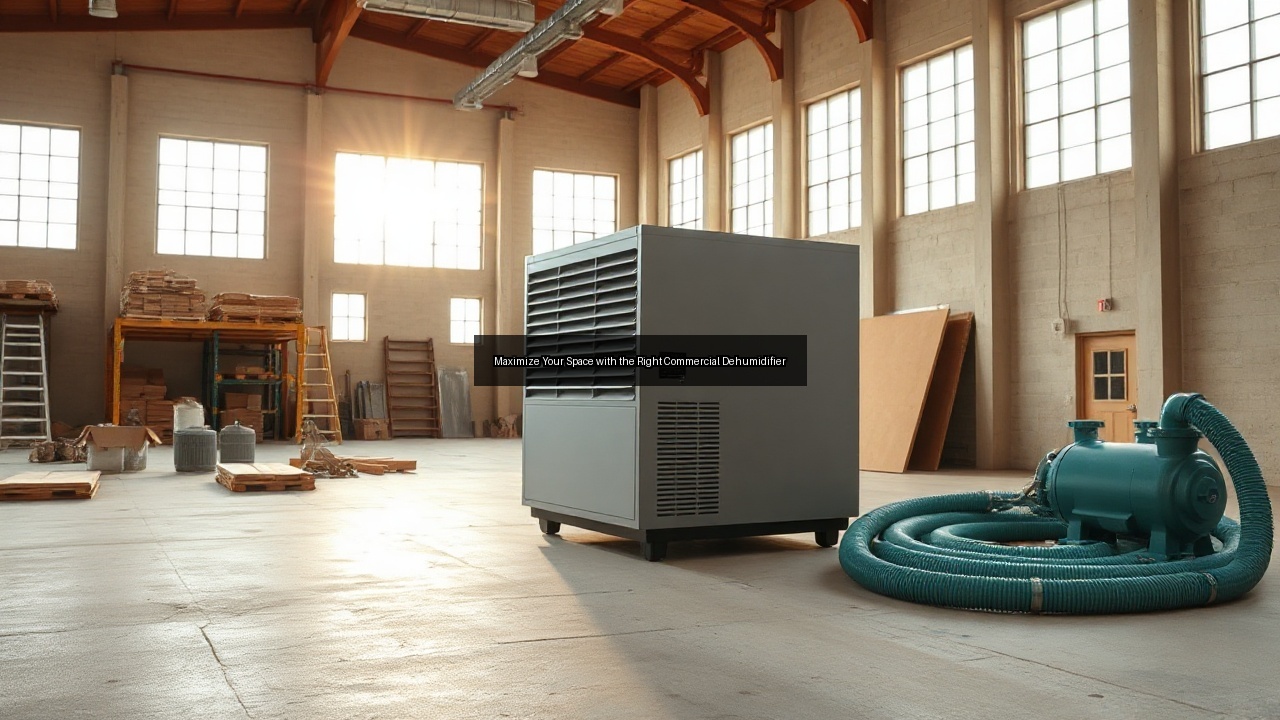
Understanding Commercial Dehumidifiers
What is a Commercial Dehumidifier?
A commercial dehumidifier plays a crucial role in maintaining optimal humidity levels in large spaces. Unlike residential models designed for smaller areas, commercial dehumidifiers tackle significant moisture issues across various environments, including warehouses, spas, and construction sites. These units remove excess moisture from the air, preventing damage to equipment and structures while ensuring a comfortable atmosphere for occupants. By employing advanced technology, these dehumidifiers effectively manage humidity levels, which is essential in preventing mold, mildew, and other moisture-related problems.
Key Features of Commercial Dehumidifiers
When selecting commercial dehumidifiers, focus on several key features that set them apart from standard models. First, capacity is critical, measured in pints per day, indicating how much moisture the unit can extract. Additionally, consider CFM (cubic feet per minute), which reflects the airflow rate and impacts how quickly a space can be dehumidified. Energy efficiency also plays a vital role; look for Energy Star ratings to ensure reduced energy consumption. Other important features include built-in pumps for continuous drainage, adjustable humidity settings, and user-friendly controls. These attributes enhance functionality and efficiency, making commercial dehumidifiers a smart investment for any business.
Energy Efficiency: Understanding Energy Star Ratings
Energy efficiency is a top priority for businesses looking to reduce operational costs. Commercial dehumidifiers with Energy Star ratings meet strict energy efficiency guidelines set by the U.S. Environmental Protection Agency. These models consume less electricity while providing effective moisture removal, which translates into lower utility bills. By opting for an Energy Star certified commercial dehumidifier, businesses not only save money but also contribute to environmental sustainability. The upfront investment in a high-efficiency unit pays off in the long run through reduced energy costs and a smaller carbon footprint, making it a wise choice for conscientious business owners.
Choosing the Right Commercial Dehumidifier for Your Space
Calculating the Required Capacity: Pints and CFM
Choosing the right commercial dehumidifier starts with accurately calculating the required capacity based on the specific environment. Measure the space in square feet and determine the level of humidity present. Generally, commercial spaces require dehumidifiers with capacities ranging from 30 to 150 pints per day, depending on moisture levels. Additionally, consider the CFM rating to ensure the unit can effectively circulate air throughout the area. For larger spaces, select a unit with higher pints and CFM to achieve efficient humidity control. Conducting a thorough assessment of these factors ensures the selected dehumidifier will meet the demands of the environment, maintaining ideal humidity levels for comfort and health.
Selecting the Right Unit for Your Environment: Warehouse, Spa, or Construction Site
Different environments necessitate specific types of commercial dehumidifiers. For instance, warehouses often experience high humidity due to large open spaces and fluctuating temperature levels. Units designed for warehouses typically feature high capacity and airflow to effectively manage moisture. Conversely, spas require quieter models with sound pressure levels that do not disrupt the serene atmosphere. In construction sites, durability and portability become essential, as these units must withstand rough conditions while efficiently removing moisture during the drying process. Understanding the unique requirements of each environment allows business owners to select the most appropriate dehumidifier, ensuring optimal performance and satisfaction.
Understanding Moisture Levels and Humidity Control
Effective humidity control hinges on understanding the moisture levels present in a space. High humidity can lead to discomfort, structural damage, and health risks. Use a hygrometer to monitor humidity levels commercial dehumidifier unit regularly, aiming for a range between 30% and 50% for optimal comfort. If readings exceed this range, it indicates the need for a commercial dehumidifier. These units help maintain consistent humidity levels, especially in areas prone to dampness or flooding. By controlling moisture, businesses protect their assets, enhance air quality, and create a more comfortable environment for employees and customers alike. Regular monitoring and timely intervention can prevent serious issues down the line.
Installation and Maintenance of Commercial Dehumidifiers
Installation Options: Pump vs. Hose
Installing a commercial dehumidifier involves choosing between two primary drainage options: pump and hose. Pump systems allow for greater flexibility, enabling the unit to discharge water to higher locations, such as sinks or drains. This option is particularly beneficial in spaces where gravity drainage is not feasible. Conversely, hose systems provide a straightforward solution for direct water drainage to a nearby floor drain. While hose installations tend to be simpler, they require careful positioning to avoid leaks and ensure effective drainage. Understanding the pros and cons of each system helps businesses select the best option for their specific needs, optimizing performance and efficiency.
Connecting to HVAC Systems for Enhanced Air Flow
Integrating a commercial dehumidifier with existing HVAC systems enhances overall air quality and circulation. By connecting the dehumidifier to the HVAC system, businesses can distribute dehumidified air throughout the space more effectively. This connection not only improves comfort but also reduces the workload on the HVAC system, leading to energy savings. Ensure the dehumidifier and HVAC system work in harmony, considering factors such as airflow direction and temperature settings. Regular checks and maintenance of both systems are crucial to maintain optimal performance and prevent operational issues. Such integration can significantly enhance the overall climate control within commercial spaces.
Regular Maintenance Tips for Optimal Performance
To ensure the long-lasting performance of commercial dehumidifiers, regular maintenance is essential. Start by cleaning or replacing air filters every month to maintain efficient airflow. Inspect the unit for any signs of wear or damage, and ensure the drainage system is clear to prevent water buildup. Check the refrigerant levels and the overall condition of the coils, as they play a crucial role in moisture removal. Additionally, consider scheduling professional maintenance at least once a year to address any underlying issues and optimize performance. By prioritizing maintenance, businesses can extend the lifespan of their dehumidifiers and maximize their return on investment.
The Benefits of Effective Dehumidification
Preventing Mold and Mildew Growth
Effective dehumidification significantly reduces the risk of mold and mildew growth. High humidity levels create an ideal environment for these fungi to thrive, which can lead to serious health issues and property damage. Commercial dehumidifiers actively remove excess moisture, maintaining humidity at safe levels and discouraging mold proliferation. Implementing a dehumidification strategy protects not only the physical structure of the building but also the health of its occupants. Regularly monitoring humidity levels and utilizing dehumidifiers can prevent costly remediation efforts and ensure a safer environment for employees and customers alike.
Mitigating the Effects of Flooding and Excess Moisture
Businesses often face the challenges posed by flooding and excess moisture, which can lead to significant damage if not addressed promptly. Commercial dehumidifiers provide a proactive solution by efficiently removing moisture from the air, accelerating the drying process after water incidents. This rapid response helps minimize damage to equipment, inventory, and structures, saving businesses from costly repairs and replacements. Furthermore, maintaining proper moisture levels aids in preventing future flooding issues. Investing in a reliable commercial dehumidifier enhances a business's resilience against water-related challenges, ensuring operations remain uninterrupted even in adverse conditions.
Enhancing Comfort and Health in Commercial Spaces
Maintaining commercial dehumidifier unit optimal humidity levels in commercial spaces directly impacts the comfort and health of occupants. High humidity can lead to discomfort, lethargy, and respiratory issues. Commercial dehumidifiers help regulate humidity, creating a more pleasant environment for employees and customers. Proper humidity control improves air quality, reducing allergens and irritants that can affect health. In spaces such as spas, a comfortable humidity level enhances the overall experience for clients, making them more likely to return. By prioritizing dehumidification, businesses not only protect their infrastructure but also invest in the well-being of their staff and clientele, fostering a positive atmosphere conducive to productivity and satisfaction.