Automation in Swiss Machining Enhancing Productivity and Efficiency
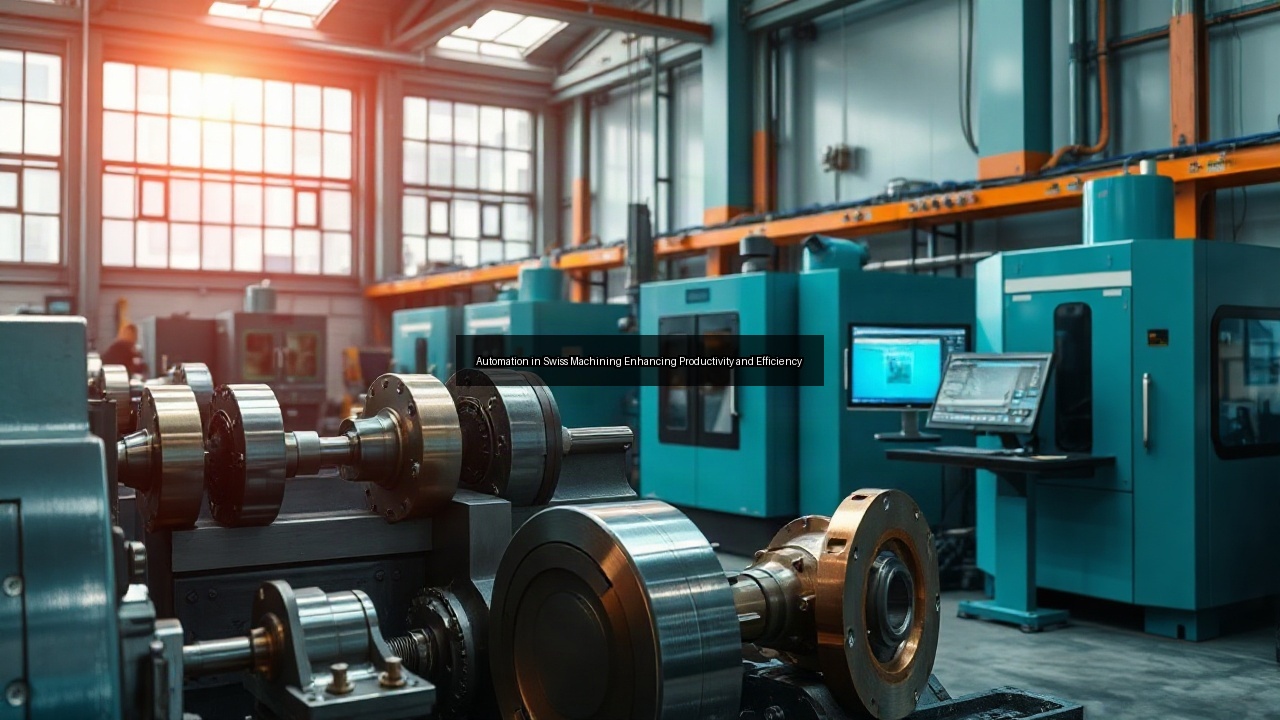
The Role of Automation in Swiss Machining
Understanding Automation in Machining
Automation in machining encompasses the use of control systems for operating equipment in various applications, including manufacturing processes. In the realm of Swiss machining, automation plays a vital role in enhancing the efficiency and productivity of operations. Swiss machining involves precision processes that produce intricate components with tight tolerances, making automation not just beneficial but essential. By integrating automated systems, manufacturers can streamline workflows, reduce human error, and ensure consistent quality across high-volume production runs. Automation technologies, such as robotics and advanced CNC machines, allow for real-time monitoring and adjustments, further improving operational capabilities.
Benefits of Automation on Productivity
The shift towards automation in Swiss machining has dramatically transformed productivity levels. Automated systems significantly reduce cycle times, allowing for faster production of machined parts, which is crucial in competitive markets. Additionally, automation minimizes downtime by enabling predictive maintenance and quick troubleshooting. This results in machines operating at optimal performance levels consistently. Enhanced productivity also stems from the ability to handle complex geometries and intricate designs that manual processes might struggle with. Furthermore, automation allows for the simultaneous machining of multiple components, effectively maximizing output and achieving economies of scale. These advancements not only boost production volumes but also enhance profitability for machine shops.
Key Automation Technologies in Swiss Machining
Swiss machining employs several key automation technologies that drive efficiency and quality. CNC machines, particularly CNC Swiss lathes, stand out for their precision and versatility. These machines utilize computer-controlled processes to execute a wide range of machining operations with minimal manual intervention. Additionally, robotics play a crucial role in automating material handling, part loading, and unloading processes, significantly reducing labor costs and human error. Other technologies include advanced software solutions for process monitoring and optimization, which allow machine operators to analyze performance metrics and make data-driven decisions. Together, these technologies create a robust framework for seamless automation in Swiss machining, pushing the boundaries of what's achievable in precision manufacturing.
Enhancing Efficiency with Swiss Lathe Technology
Introduction to Swiss Style Lathes
Swiss style lathes, or Swiss lathes, are specialized machines designed to produce high-precision parts, particularly in small diameters. These lathes feature a unique sliding headstock design that allows the workpiece to move towards the cutting tool, rather than the tool moving towards the workpiece. This design minimizes tool wear and enhances the precision of the finished product. Swiss lathes excel in producing complex geometries, making them indispensable in industries requiring precision machining, such as aerospace, medical, and automotive sectors. The adaptability of Swiss lathes to various materials, including nickel and other alloys, further positions them as a critical asset in modern machine shops.
How Swiss Lathes Improve Geometries and Precision
Swiss lathes are renowned for their ability to achieve superior geometries and precision in machined components. The sliding headstock mechanism allows for better control over the cutting process, which leads to tighter tolerances and enhanced surface finishes. This is particularly important in applications where dimensional accuracy is paramount, such as aerospace components that must withstand rigorous performance standards. Swiss lathes also facilitate the implementation of multiple tooling setups, enabling operators to perform various operations, such as turning and milling, within a single setup. This capability reduces the need for multiple machines and setups, streamlining the machining process and improving overall efficiency.
The Impact of Automation on Lathe Performance
Automation significantly enhances the performance of Swiss lathes, leading to improved output and quality. Automated systems allow for continuous operation, enabling machines to run unattended for extended periods, especially during off-peak hours. This capability maximizes productivity without compromising quality. Automation also integrates advanced monitoring systems that track machine performance and alert operators to potential issues before they escalate. Consequently, operators can maintain peak performance levels and avoid costly downtime. Additionally, automated tool changers facilitate quick transitions between different machining tasks, further enhancing flexibility and efficiency. Overall, automation transforms the capabilities of Swiss lathes, positioning them as a cornerstone of modern precision machining.
Applications of Swiss Machining in Aerospace and Beyond
Precision Machining for Aerospace Components
Aerospace components demand the highest levels of precision and reliability. Swiss machining meets these stringent requirements by producing intricate parts such as structural components, fasteners, and fittings with exceptional accuracy. The ability to machine complex geometries and maintain tight tolerances is critical in aerospace applications, as even minor deviations can lead to catastrophic failures. Swiss machining processes excel in creating lightweight yet durable components, essential for improving fuel efficiency and overall aircraft performance. The integration of automation further enhances the production of aerospace parts, enabling manufacturers to meet strict delivery schedules while maintaining quality standards.
Utilizing CNC Machines for Complex Parts
CNC machines revolutionize the production of complex parts in various industries, including aerospace, automotive, and medical. The advanced capabilities of CNC Swiss machining enable the creation of intricate designs that manual machining processes cannot achieve. These machines can handle a wide array of materials, from metals to plastics, making them versatile for different applications. CNC technology allows for precise control over machining operations, ensuring that each part meets the exact specifications required. Additionally, the automation capabilities of CNC machines reduce human intervention, minimizing errors and enhancing overall quality. This level of precision and efficiency positions CNC Swiss machining as a preferred choice for complex part production.
The Future of Swiss Machining in Various Industries
The future of Swiss machining looks promising, with ongoing advancements in technology and automation. Industries such as aerospace will continue to rely on Swiss machining for high-precision parts, while emerging sectors like renewable energy and electric vehicles will also benefit from its capabilities. As manufacturers adopt more sophisticated automation solutions, the ability to produce customized, high-quality components will expand. Innovations in software and tooling will further enhance efficiency, enabling machine shops to meet the growing demands of various industries. The continued evolution of Swiss machining technology will solidify its position as a pivotal player in precision manufacturing, shaping the landscape for years to come.
Software and Tools Driving Swiss Machining Automation
Integrating Software Solutions for Enhanced Productivity
Software solutions drive the automation of Swiss machining by optimizing workflows and enhancing productivity. Advanced machining software allows operators to program CNC machines with precision, ensuring that each operation aligns with the desired specifications. These programs often include features for simulation and analysis, enabling operators to visualize the machining process before execution. As a result, manufacturers can identify potential issues and make adjustments proactively, reducing waste and improving efficiency. Furthermore, software that integrates with machine monitoring systems enables real-time data collection, allowing operators to track performance metrics and make informed decisions about production processes.
Tooling Innovations in Swiss Machining
Tooling innovations play a crucial role in the advancement of Swiss machining. High-performance cutting tools designed specifically for Swiss lathes enhance machining capabilities, allowing for faster production rates and improved surface finishes. These tools are engineered to handle various materials, including challenging alloys, without compromising quality. Additionally, modular tooling systems enable quick changes and adaptations, making it easier for manufacturers to switch between different projects without extensive downtime. The integration of advanced materials and coatings in tooling further extends tool life and performance, contributing to the overall efficiency of the Swiss machining process.
The Role of CNC Swiss Machining in Modern Machine Shops
CNC Swiss machining has become a cornerstone of modern machine shops, offering unparalleled precision and efficiency for producing complex parts. The automation capabilities of CNC machines allow for increased production volumes without sacrificing quality. Operators can manage multiple machines simultaneously, optimizing workflow and reducing labor costs. Moreover, CNC Swiss machining supports a wide range of applications, from small medical devices to large aerospace components, showcasing its versatility in various industries. As technology continues to evolve, CNC Swiss machining will likely incorporate even more advanced automation solutions, further solidifying its critical role in the future of precision manufacturing.